The Rise of AI-Powered Personalization in Digital Marketing
Artificial Intelligence (AI) is revolutionizing digital marketing by enabling businesses to deliver hyper-personalized experiences to customers. Gone are the days of generic marketing messages—AI now helps brands predict user behavior, automate interactions, and create data-driven strategies that improve engagement and conversion rates
From product recommendations to AI-driven chatbots, companies across industries are leveraging AI to enhance customer interactions. This shift is reshaping marketing strategies, making them more precise, cost-effective, and impactful. Brands that adopt AI are not just improving customer experience but also gaining a competitive edge in an increasingly digital world.
AI-Driven Personalized Product Recommendations
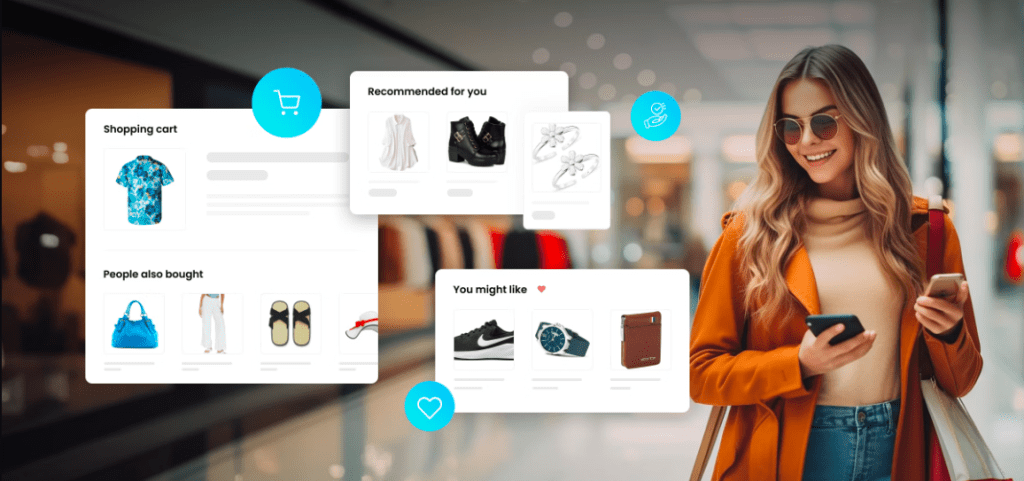
One of the most powerful applications of AI in digital marketing is personalized product recommendations. By analyzing user data such as browsing history, past purchases, and interaction patterns, AI can suggest products that align with individual preferences.
E-commerce platforms like Amazon and Netflix have mastered this strategy. When a user shops on Amazon, AI analyzes past purchases and frequently viewed items to suggest relevant products, increasing the chances of conversion. Netflix, on the other hand, curates a personalized watchlist based on viewing habits, ensuring users stay engaged and continue their subscriptions.
Retailers are also leveraging AI-driven recommendations. Clothing brands like H&M and Zara use AI to analyze customer preferences and offer tailored fashion suggestions, improving user experience and increasing sales. Even small businesses can implement AI-powered recommendation engines through platforms like Shopify and WooCommerce, ensuring personalized shopping experiences at scale.
AI-powered personalization is transforming digital marketing by enhancing customer engagement, improving user experience, and boosting conversion rates. By leveraging AI-driven tools like personalized recommendations and chatbots, businesses can stay ahead in the competitive digital landscape. Real-world examples from industry leaders show that AI is not just a futuristic concept but a present-day necessity.
AI-Powered Chatbots and Customer Engagement
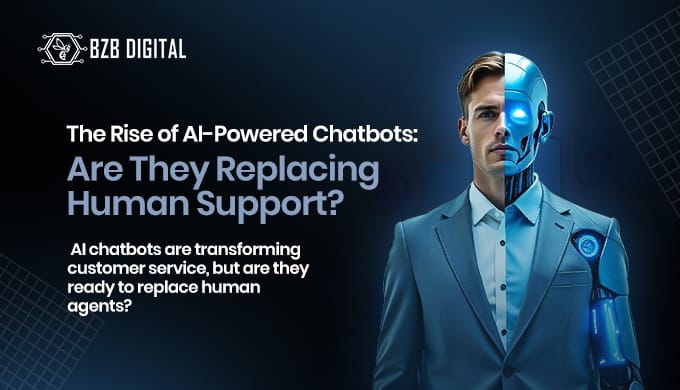
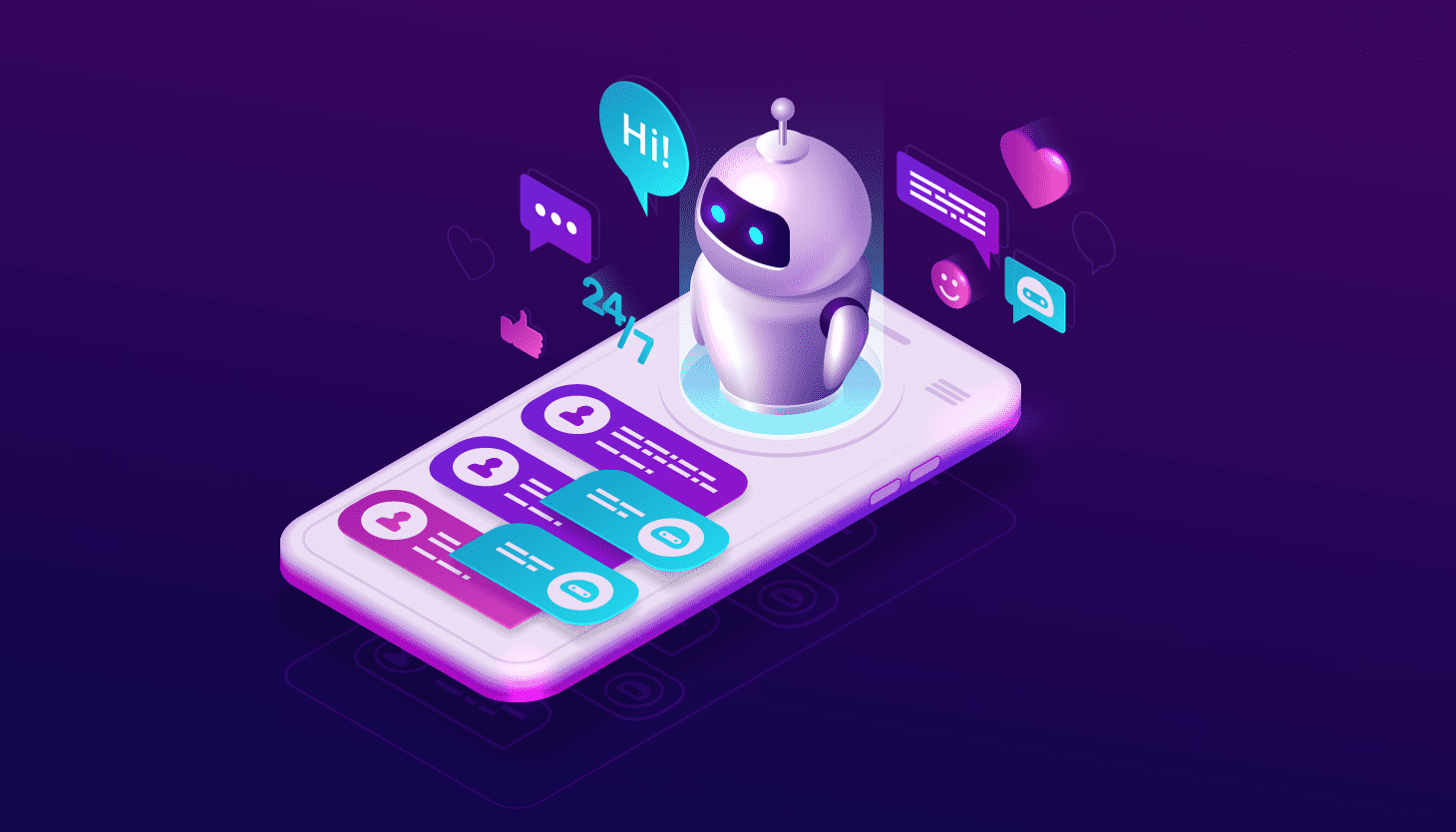
Chatbots have become a cornerstone of AI-driven customer service, providing instant, 24/7 support while reducing the need for human intervention. These AI-powered assistants can handle inquiries, resolve complaints, and even guide customers through the buying process.
Businesses across various sectors have adopted AI chatbots to improve customer engagement. For instance, Sephora uses AI chatbots on messaging apps like Facebook Messenger to provide beauty advice, product recommendations, and virtual try-on features. Similarly, banking institutions like Bank of America use AI-powered assistants like Erica to help customers manage their finances, track transactions, and receive real-time support.
AI chatbots also play a crucial role in reducing cart abandonment rates in e-commerce. When a potential customer leaves items in their shopping cart, chatbots can send personalized messages with discount offers or reminders, prompting them to complete the purchase. This level of proactive engagement enhances customer satisfaction and boosts revenue.
FAQs on AI-Powered Personalization in Digital Marketing
AI collects data from various sources, including website interactions, purchase history, social media activity, and user preferences. Machine learning algorithms analyze this data to predict customer behavior and personalize content
Absolutely! AI-powered tools are now accessible and affordable for small businesses. Platforms like Shopify, HubSpot, and Mailchimp offer AI-driven features for personalized email marketing, customer segmentation, and automated recommendations.
While AI uses personal data, ethical use of AI ensures transparency and consent. Businesses should implement clear privacy policies and allow customers to control their data preferences.
AI helps in segmenting email lists, crafting personalized subject lines, optimizing send times, and automating follow-ups, increasing open rates and conversions.
AI will continue to evolve, offering more advanced personalization techniques, voice search optimization, predictive analytics, and AI-driven content creation, making marketing more efficient and customer-focused.