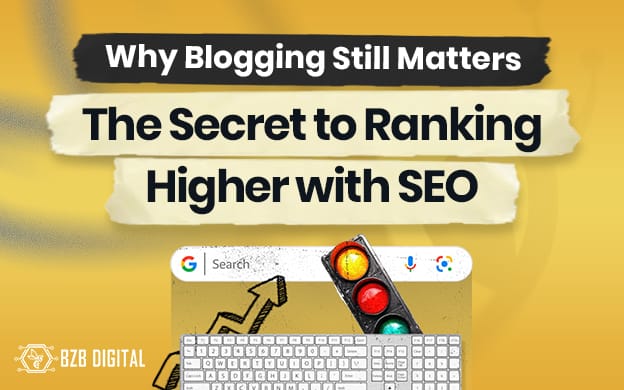
Why Blogging Still Matters: The Secret to Ranking Higher with SEO in 2025
In an age dominated by Instagram reels, YouTube shorts, and AI-generated blurbs, it’s fair to wonder: does traditional blogging still hold weight? The answer is a resounding yes. Blogging continues to be one of the most powerful tools to rank on Google, establish credibility, and drive sustainable organic traffic even in 2025.
Whether you’re a freelancer, content creator, marketer, or developer, this guide will show you why blogging is still your secret SEO weapon and how to use it to its full potential.

1. 💥 Blogging = SEO Fuel
At its core, blogging feeds the SEO engine. Every blog post you publish adds a new layer of content to your website, signaling to search engines that your site is active, relevant, and expanding. Unlike static landing pages or product descriptions, blog posts offer endless opportunities to inject new keywords, cover niche topics, and address timely questions your audience is searching for.
Each post becomes an indexable page essentially another door through which Google (and your audience) can discover your site. Over time, consistent blogging builds a library of keyword-targeted content, increasing your chances of ranking for both competitive and long-tail terms.
💡 Example: A client at BZB Digital, running an e-commerce store, launched a blog targeting specific product-related queries. In just 3 months, they ranked for 50+ new keywords and saw a 48% increase in organic traffic all from regularly publishing blog content that answered real user questions.
2. 🎯 Target Long-Tail Keywords for Easy Wins
While top-level keywords like “CRM software” or “digital marketing” are highly competitive, long-tail keywords provide an easier path to visibility. These are longer, more specific search terms think “best project management tools for freelancers in 2025” or “how to create a digital portfolio with no code.”
These keywords may have lower search volumes, but they carry higher intent and often lead to better engagement and conversions. Blogs are the perfect place to target these queries because they offer the space to explore nuanced topics in depth.
Using tools like Ubersuggest, AnswerThePublic, or Google’s People Also Ask, you can uncover hundreds of content ideas based on real-world searches. Writing blog posts around these queries gives your site a stronger chance of ranking on page one without needing a massive backlink profile or high domain authority.
🎯 Pro Tip: Optimize blog titles and meta descriptions with long-tail variations, and format your content with headers and bullet points to align with Google’s featured snippet preferences.

3. 🔗 Internal Linking = Site Authority
Blogs are more than just content they’re a powerful tool for building your site’s internal architecture. Every time you publish a blog post, you have the opportunity to link to other parts of your website: service pages, product listings, case studies, FAQs, and more.
This internal linking strategy helps search engines crawl your site more efficiently, distribute ranking power (“link juice”) across important pages, and reduce bounce rates by keeping users engaged longer. More time on site often translates into better SEO performance.
For example, if you publish a blog on “How to Optimize a Website for Mobile,” you can naturally link to your mobile design services or portfolio page. This not only boosts your SEO it also guides readers further down the customer journey.
🔗 Fuel your brain discover the next step here!
https://bzbdigital.com/bzb-blog/googles-latest-algorithm-update-what-it-means-for-seo-in-2025/
4. 🛡️ Build Trust with Google Using E-E-A-T
Google’s algorithm is increasingly prioritizing content that demonstrates E-E-A-T: Experience, Expertise, Authoritativeness, and Trustworthiness. And guess what? Blogging is one of the most effective ways to showcase all four.
When you publish blog posts that solve real problems, answer common questions, and reference reputable sources, you’re positioning your brand as an industry authority. Add author bios, cite credible sources, and include original data or client stories, and Google will view your site as more trustworthy.
This not only helps with rankings but also with building trust with your readers, which is key for lead generation, repeat visits, and social sharing.
✔️ Tip: Include author bylines with qualifications, link to your About and Contact pages, and use structured data (schema) for added credibility
5. 🌀 Content Freshness + Topic Clusters = Better Rankings
Search engines favor fresh, regularly updated content. Blogging allows you to keep your site alive and responsive to trends, updates, and new user interests. It also allows you to build topic clusters a content strategy where several related blog posts link back to a main “pillar” page, improving topical relevance and authority.
For example, if your core service is SEO consulting, your cluster might include:
- Why Blogging Still Matters for SEO
- How to Choose Blog Topics That Convert
- SEO for Beginners: Optimizing Blog Posts in 2025
- The Impact of AI on Content Strategy
By interlinking these posts, you’re telling search engines: “We know this topic deeply.” That results in better rankings, more dwell time, and stronger lead funnels.
🧠 Remember: Blogs are your playground for experimenting with trending topics, keyword clusters, and creative storytelling all while boosting your domain authority
📺 Want to Dig Deeper?
Here are some quick, insightful videos to explore blogging and SEO in action:
🔚 Final Thoughts: Blogging Isn’t Dead it’s Just Smarter
Blogging in 2025 isn’t what it was in 2010 and that’s a good thing. Today, blogging is a strategic engine that fuels SEO, nurtures leads, and builds lasting trust. It’s where search intent meets storytelling, and where your brand’s voice comes alive in the form of helpful, valuable content.
Whether you’re a freelancer sharing your journey, a startup building brand authority, or a developer teaching your audience, blogging serves as:
💬 FAQs: Blogging in the AI Era
Aim for 1–2 high-quality blog posts per week. Focus on consistency over quantity. Even once a week is impactful if the content is valuable.
AI tools like ChatGPT or Jasper can help generate ideas or first drafts, but human input is essential for tone, originality, and SEO strategy. Always review, personalize, and fact-check.
1,000–1,500 words is a strong range for SEO. Include visuals, examples, subheadings, and a clear call to action (CTA) for the best performance.
Do I need to be an expert to blog?